Project Wheelie Map
A practical overview of the early testing sandbox and how each zone supports wheelie practice.
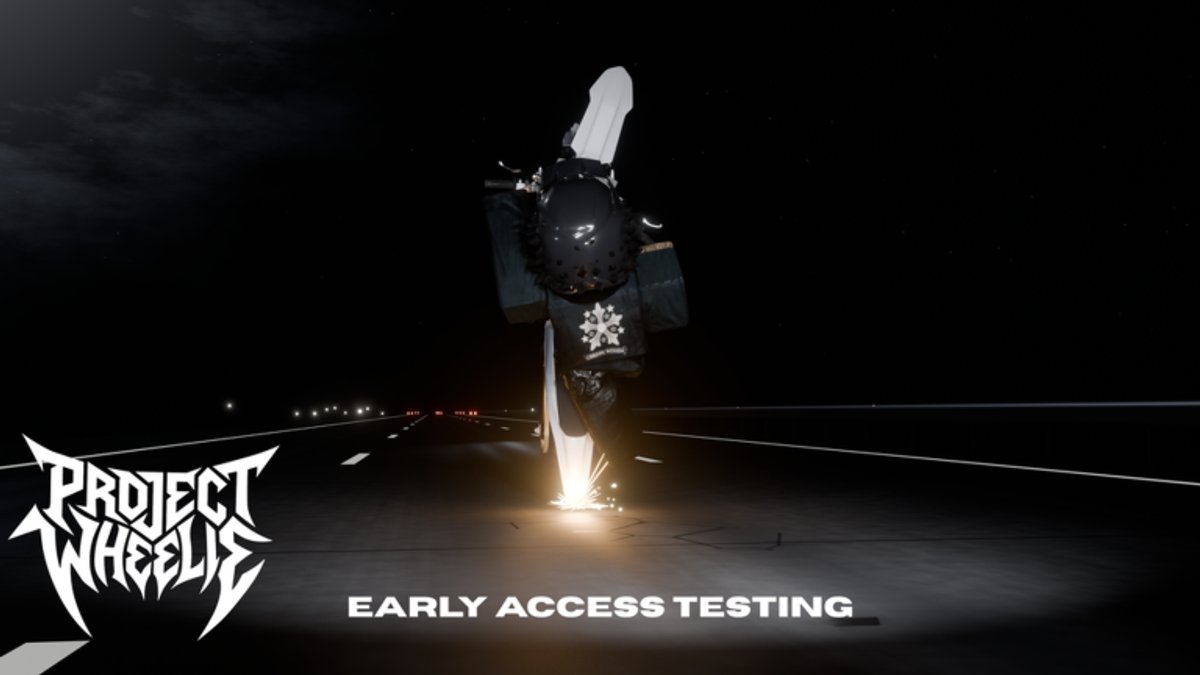
The Project Wheelie early testing map is a focused sandbox, not a finished city. Official materials highlight toggleable traffic, turn tracks, ramps, and a police vehicle. This Map Hub explains how those pieces fit together so you can build routes instead of wandering. For drill scripts, use Test Map Tips and Ramps and Traffic.
How to read an early testing map
Finished Roblox bike games sell exploration. This place sells repetition. Flat stretches exist so you can isolate balance. Turn tracks exist so elevated steering has a lane. Ramps exist so launch timing has a measurable lip. Traffic and police exist so vision and composure have stress tests.
If you arrived expecting districts, shops, and player hubs, reset expectations with the Early Testing Review and Getting Started.
Core zones
Flat asphalt. Your warm-up lane. Timed holds live here.
Turn tracks. Direction-change practice while the front wheel is up.
Ramp approaches. Speed control plus early lift timing.
Traffic corridors. Optional complexity via the toggle.
Police interaction space. Sudden obstacle composure.
Exact geometry can move after patches, so learn zone roles rather than memorizing one screenshot forever. Confirm changes on the Updates Hub.
Suggested first route
- Spawn and identify the flat lane.
- Complete five holds from How to Wheelie.
- Ride one turn track in each direction.
- Do three ramp approaches.
- Enable traffic for a single loop.
- Disable traffic and cool down.
Track that route with the tester checklist.
Solo testing implications
Early testing may run with very small server sizes. You might be alone with the props. That is an advantage for practice quality. Use the silence to listen to your own corrections instead of chasing other riders.
Landmarks versus muscle memory
Landmark names help communication, but muscle memory matters more when the map is rewritten. Practice transferable skills: approach speed, lift timing, recovery distance. Those survive a remake; a meme spot name might not.
Related pages
Deep prop drills: Ramps and Traffic and Police Vehicle Drills. Session design: Practice Planner. Controls comfort: Controls Hub. Priority order: Practice Priority Tier List.
Communicating spots without stable names
Because early testing maps change, describe spots by role: flat warm-up lane, left turn track, right turn track, ramp face, traffic corridor, police path. Role language still works after a remodel. Meme names die with the old geometry. When you post feedback, role language also helps developers understand what you tested.
Walk the map once at walking pace or low speed at the start of a new build. That scout lap prevents surprise curbs from looking like physics bugs later. Log anything that launches you unfairly and recheck it after the next note on the Updates Hub.
Connecting map practice to review decisions
If you are deciding whether to buy another week of testing, judge the map by drill density, not by tourist sightseeing. High drill density means you can run the tester checklist without traveling forever between props. That is a feature of a good test sandbox. Compare that reality with expectations in the Early Testing Review.
Frequently Asked Questions
Quick answers to the most common Project Wheelie questions.
Is the early testing map the final map?
No. It is a practice sandbox for wheelie mechanics. The full game is still in development.
What props are officially mentioned?
Toggleable traffic, turn tracks, ramps, and a police vehicle to swerve around.
Where should I warm up?
Use flat asphalt with traffic off before turn tracks or ramps.
What page covers ramp timing in detail?
See Ramps and Traffic plus Test Map Tips.