Project Wheelie Ramps, Traffic, and Police Drills
Concrete approaches for launch timing, traffic-on practice, and calm police vehicle swerves.
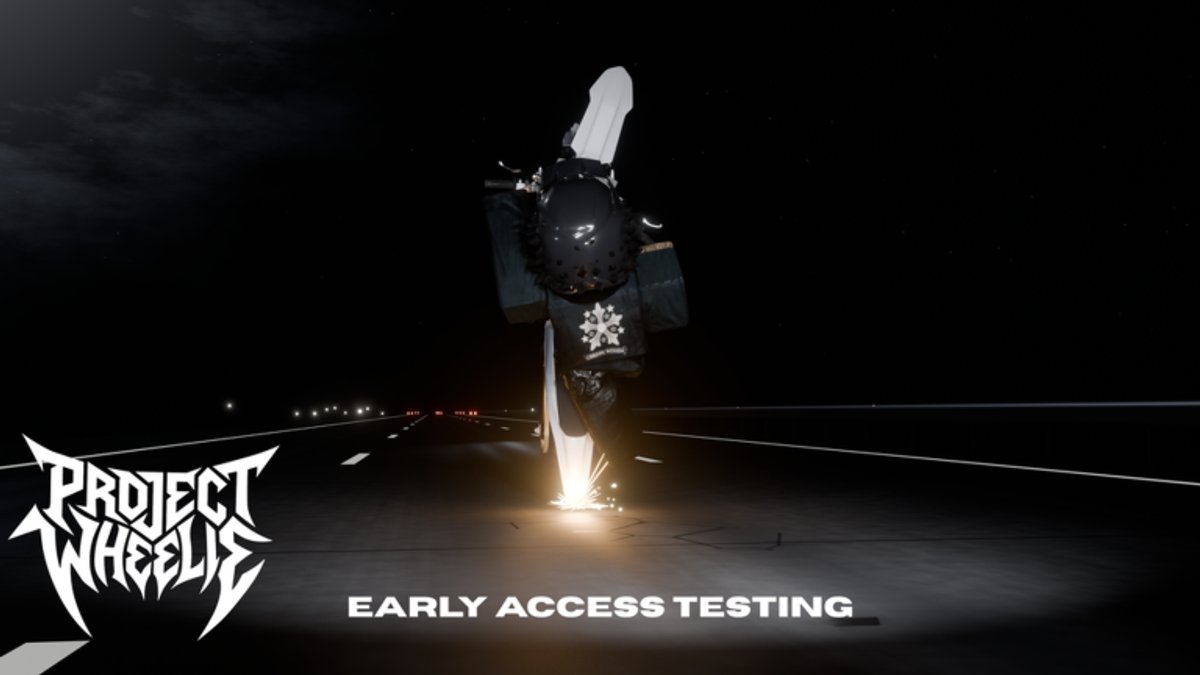
Ramps and traffic are where Project Wheelie early testing feels alive. They are also where new riders throw away paid minutes. This page breaks each prop into a drill you can repeat. Read the Map Overview first if you still need the big picture, and keep How to Wheelie nearby for the balance fundamentals.
Ramp approach checklist
- Choose a speed you can still steer.
- Square the bike to the ramp face.
- Start the lift earlier than you would on flat ground.
- Keep eyes on the landing lane, not the skybox.
- Recover soft, then reset for another attempt.
If you arrive too fast, you will fight the landing. If you arrive too slow, the lift stalls on the face. Find the middle with three calibration runs before you chase style.
Turn tracks between ramps
Use turn tracks as connectors, not afterthoughts. A strong session links ramp landing into a turn-track hold, then back to flat recovery. That chain mirrors real riding better than isolated tricks. Test Map Tips has a full circuit template.
Traffic-on rules
Enable traffic only for short rated blocks. Example: two minutes on, three minutes off. During the on block, prioritize lane choice and vision. During the off block, fix the balance mistakes traffic revealed. If you leave traffic on forever, you will confuse obstacle dodging with pitch control.
Police vehicle drill
Approach with a stable mid hold when possible. Change line early. Avoid slamming brake inputs that plant the front and spin you. The success condition is composure, not distance from the vehicle. Reset and repeat until the swerve feels boring.
Failure salvage
After a bad ramp or traffic collision, do not immediately retry the hardest prop. Put in one flat hold to restore timing, then return. The practice planner can schedule that salvage automatically if you pick a mixed focus.
Patch awareness
Tuning changes can make old ramp speeds wrong overnight. When launches suddenly fail, check the Updates Hub before assuming you forgot how to ride. Re-run calibration attempts every time the build updates.
Related pages
Map Hub, Guides Hub, Controls, Practice Priority Tier List, and Tester Checklist.
Advanced linking ideas
Once single props are clean, build two-piece links: ramp landing into turn-track hold, traffic lane change into flat recovery, police swerve into ramp approach. Links reveal hidden bad habits like clutching pitch through landings. Keep links short so failures stay diagnosable.
Film one link attempt from your own point of view if your device allows it. You do not need to publish the clip. Watching your horizon line teaches more than watching someone else’s montage. Then rebuild the next session with the practice planner.
Feedback quality for ramps and traffic
Useful feedback sounds like this: approach speed felt fine, lift started at the first paint mark, landing bounced because recovery chopped throttle. Vague feedback sounds like this: ramps are broken. Developers can act on the first sentence. The second sentence just adds noise. Attach your sentence to the prop roles from the Map Hub.
Weathering frustration on hard props
Ramps and traffic are streak killers. Cap fails at five, then return to flat holds. That cap keeps your hands calm enough to learn. Unlimited retries create tilt, and tilt looks like bad physics.
Use a simple grading scale after each block: clean, messy, or crash. Clean means you would show a friend. Messy means you survived with ugly corrections. Crash means reset. Aim to convert messy into clean before you increase speed. The Practice Priority Tier List exists to stop you from raising difficulty while grades are still crash-heavy.
If two different ramps exist after a remodel, master one before alternating. Alternating too early makes your notes useless because you cannot tell which face caused the tip.
Frequently Asked Questions
Quick answers to the most common Project Wheelie questions.
When should I enable traffic?
After you can hold and recover on flat ground and complete basic turn-track attempts without panic.
Why do I fail ramps after succeeding on flat holds?
Ramp lifts need earlier timing and a planned landing. Recalibrate approach speed with three short runs.
What is the goal of the police vehicle?
Composure under a moving obstacle. Practice early line changes without planting the front wheel.
Where is the full map circuit?
See Test Map Tips for a step-by-step session that uses every prop.